

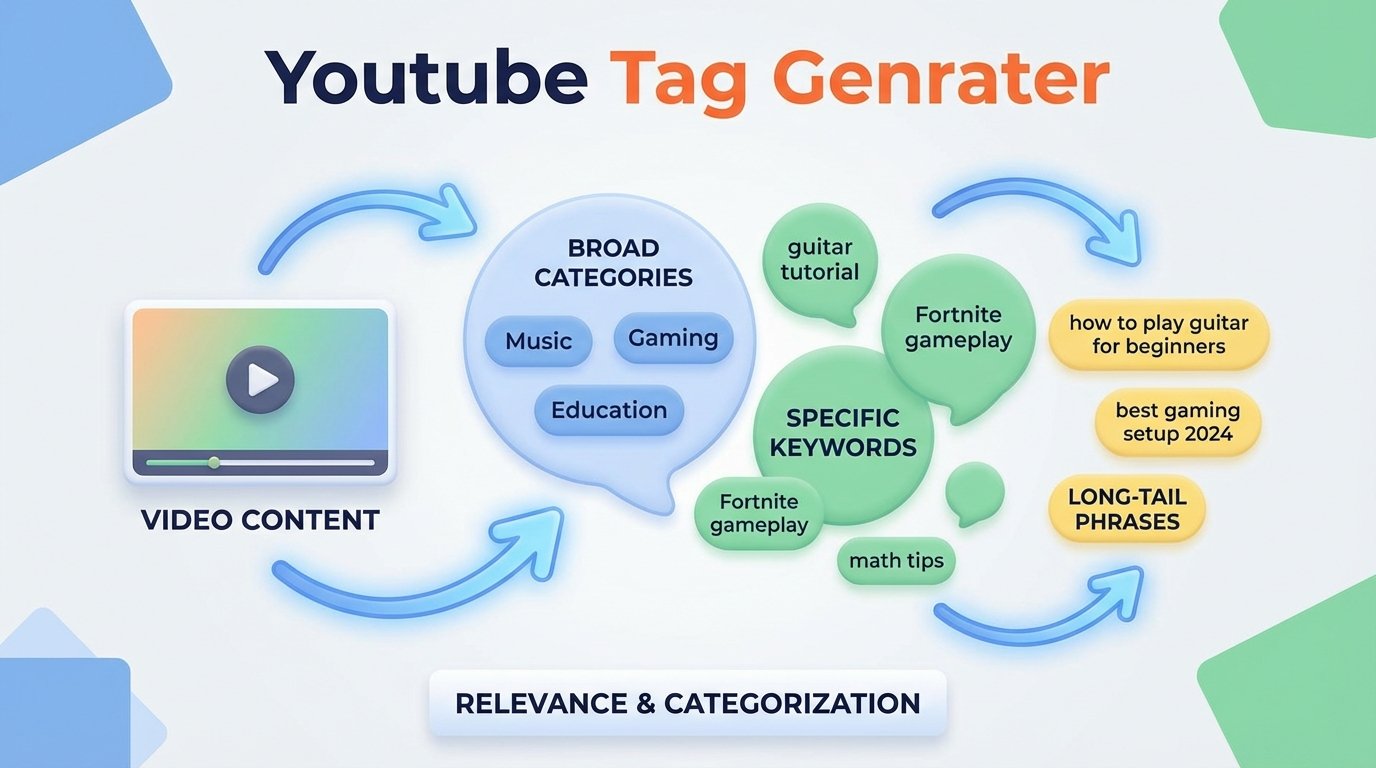
YouTube tags serve as descriptive keywords that help the platform understand video content and context. These metadata elements play a crucial role in video discoverability, allowing creators to communicate their content’s topic to YouTube’s algorithm. When viewers search for specific content, properly optimized tags increase the likelihood of videos appearing in relevant search results and recommendations.
The YouTube tags generator tool has emerged as an essential tool for content creators who want to maximize their video’s reach without spending hours on keyword research. These specialized tools analyze trending topics, competitor strategies, and search patterns to suggest relevant tags that align with content themes.
How YouTube Tags Generator Tools Function
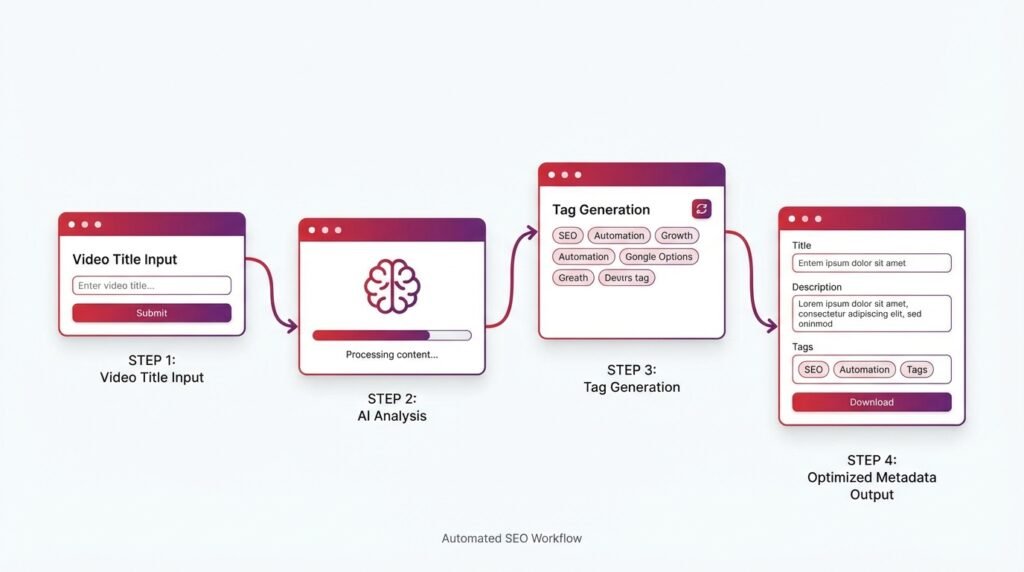
A YouTube tags generator tool operates through sophisticated algorithms that examine multiple data sources. The tool processes the video title, description, and category to identify core themes. It then cross-references this information against YouTube’s search database to discover high-performing keywords and phrases.
The generation process involves analyzing search volume metrics, competition levels, and relevance scores. Advanced generators incorporate natural language processing to understand semantic relationships between keywords, ensuring tag suggestions maintain topical coherence. This technological approach eliminates guesswork and provides data-driven recommendations.
Most tag generator platforms offer instant results. Creators input basic information about their video, and the system returns a comprehensive list of suggested tags within seconds. The speed and accuracy of these tools have made them indispensable for busy content creators managing multiple channels.
The Relationship Between Tags and YouTube’s Algorithm
YouTube’s recommendation algorithm considers numerous factors when determining which videos to surface in search results and suggested video sections. Tags contribute to this algorithmic understanding by providing explicit signals about video content. While tags alone do not guarantee high rankings, they work in conjunction with titles, descriptions, thumbnails, and engagement metrics.
The algorithm uses tag information to establish topical relevance and group similar content together. When multiple videos share common tags, YouTube recognizes thematic connections and may recommend these videos to viewers interested in related topics. This interconnected system creates opportunities for channel growth and audience expansion.
Search engine optimization principles apply directly to YouTube’s platform. Just as websites optimize for Google searches, video creators must optimize for YouTube’s internal search engine. Tags function as one component of this optimization strategy, helping the algorithm categorize and distribute content appropriately.
Key Features of Effective YouTube Tags Generators
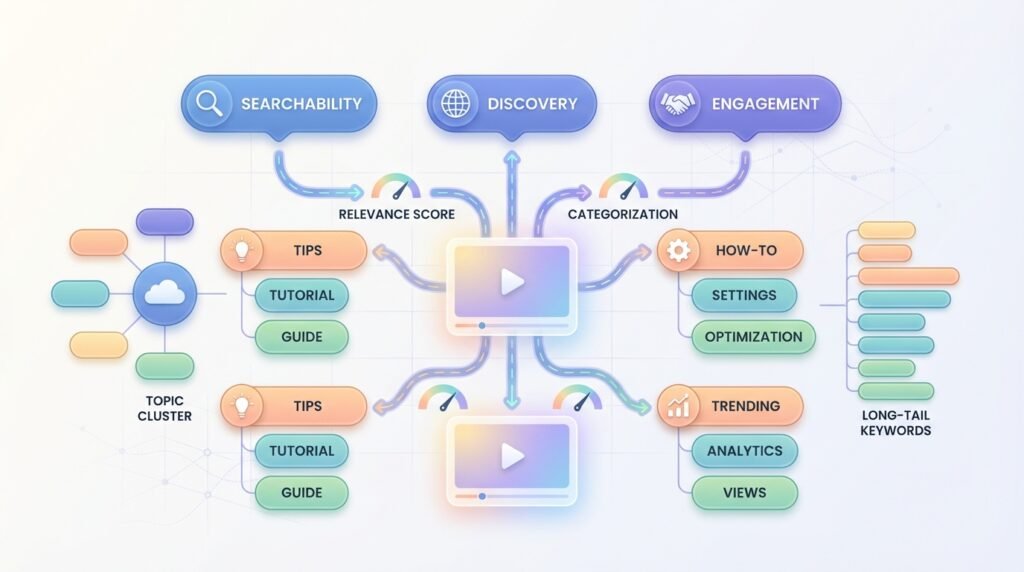
Quality tag generation tools incorporate several essential features that distinguish them from basic keyword suggestion platforms. The ability to analyze competitor tags stands as one of the most valuable capabilities. By examining successful videos in similar niches, these tools identify proven tag strategies that creators can adapt.
Trending tag identification represents another critical feature. The digital landscape shifts constantly, with new topics and search terms emerging daily. Advanced generators monitor these trends and incorporate current keywords into their suggestions, keeping content relevant and timely.
The best YouTube tags generator platforms provide relevance scoring for each suggested tag. This metric helps creators prioritize tags based on their alignment with video content and potential impact on visibility. Rather than using all suggested tags indiscriminately, creators can select the most strategically valuable options.
Strategic Tag Implementation for Maximum Visibility
Implementing tags strategically requires understanding the different tag categories and their purposes. Broad tags capture general topics and attract viewers interested in wide subject areas. For example, a cooking video might use broad tags like "recipes" or "cooking tutorials."
Specific tags target niche audiences searching for particular content. These detailed descriptors help videos reach viewers with precise interests. The same cooking video might include specific tags such as "vegan chocolate cake recipe" or "gluten-free baking techniques."
Branded tags include channel names and series titles, helping establish content identity and facilitating playlist organization. These tags ensure that viewers who enjoy one video can easily discover related content from the same creator.
The optimal tag strategy combines all three categories. A YouTube tags generator typically suggests a mix of broad, specific, and branded tags, creating a comprehensive metadata framework that appeals to diverse audience segments.
Common Mistakes to Avoid When Using Tag Generators
Many creators make the error of using irrelevant tags suggested by generators without proper vetting. While tools provide valuable suggestions, human judgment remains essential. Including tags unrelated to actual video content misleads viewers and potentially triggers algorithmic penalties.
Tag stuffing, the practice of using excessive or redundant tags, represents another frequent mistake. YouTube allows up to 500 characters for tags, but filling this limit with repetitive or low-value keywords dilutes tag effectiveness. Quality surpasses quantity in tag optimization.
Ignoring tag updates after initial publication limits long-term video performance. As trends evolve and search patterns shift, updating tags keeps content discoverable. Effective creators revisit older videos periodically to refresh tags based on current data from tag generator tools.
Measuring Tag Performance and Optimization Success
YouTube Analytics provides crucial insights into how tags influence video performance. The platform's traffic sources report reveals whether viewers discover content through search, suggested videos, or other channels. Tags primarily impact search and suggested video traffic, making these metrics essential for evaluation.
Click-through rate (CTR) and average view duration indicate whether tags attract the right audience. High CTR combined with low retention suggests that tags attract viewers whose expectations do not match actual content. This discrepancy signals a need for tag refinement.
Successful optimization manifests through increased organic reach over time. Videos with well-optimized tags gradually accumulate views as YouTube's algorithm recognizes their relevance and quality. The YouTube tags generator facilitates this process by ensuring metadata aligns with content and audience expectations.
Advanced Techniques for Tag Generator Utilization
Experienced creators leverage tag generators for competitive analysis beyond simple keyword suggestions. By analyzing top-performing videos in their niche, they identify tag patterns and optimization strategies that drive success. This reverse-engineering approach reveals what works within specific content categories.
Seasonal tag adjustment represents another advanced technique. Content relevance fluctuates throughout the year, with certain topics gaining prominence during specific seasons or events. Updating tags to reflect these temporal patterns helps maintain visibility during peak interest periods.
Combining tag generator data with manual research creates a robust optimization strategy. While tools provide algorithmic suggestions, creators who understand their audience can add unique tags that automated systems might overlook. This hybrid approach balances data-driven insights with creative intuition.

The Future of YouTube Tag Optimization
Artificial intelligence continues transforming how tag generators function and evolve. Machine learning algorithms now predict emerging trends before they peak, allowing creators to optimize content proactively. These predictive capabilities give early adopters significant competitive advantages.
Voice search optimization influences tag strategy as more viewers use voice commands to find content. Tags must account for conversational search queries rather than simple keywords. Modern YouTube tags generators increasingly incorporate natural language patterns to address this shift.
Integration between tag generators and other optimization tools creates comprehensive content strategy platforms. Creators can now access thumbnail analyzers, title optimizers, and tag generators within unified dashboards, streamlining the entire optimization workflow.
Conclusion
The YouTube tags generator has revolutionized how creators approach video optimization, transforming a time-consuming research process into an efficient, data-driven practice. These tools empower creators to compete effectively regardless of channel size or resources. By understanding tag fundamentals, implementing strategic combinations, and avoiding common pitfalls, creators position their content for maximum discoverability. The continuous evolution of tag generation technology promises even more sophisticated optimization capabilities, making this an exciting time for content creators committed to growth and audience engagement.