
Digital marketers face increasing challenges in organizing content strategies effectively. A keyword cluster tool addresses this complexity by grouping related search terms into logical categories. This technology transforms how websites approach search engine optimization and content planning.
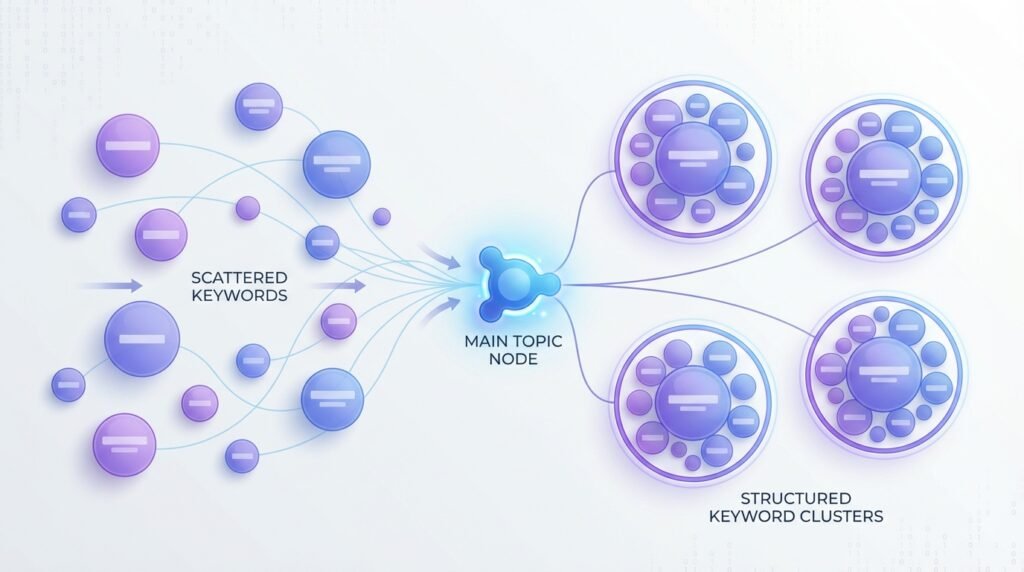
The modern SEO landscape demands more than individual keyword targeting. Search engines now prioritize topical authority and content relevance over isolated keyword optimization. Organizations utilize keyword clustering software to identify semantic relationships between different search queries and organize them into coherent groups.
How Keyword Cluster Tools Function
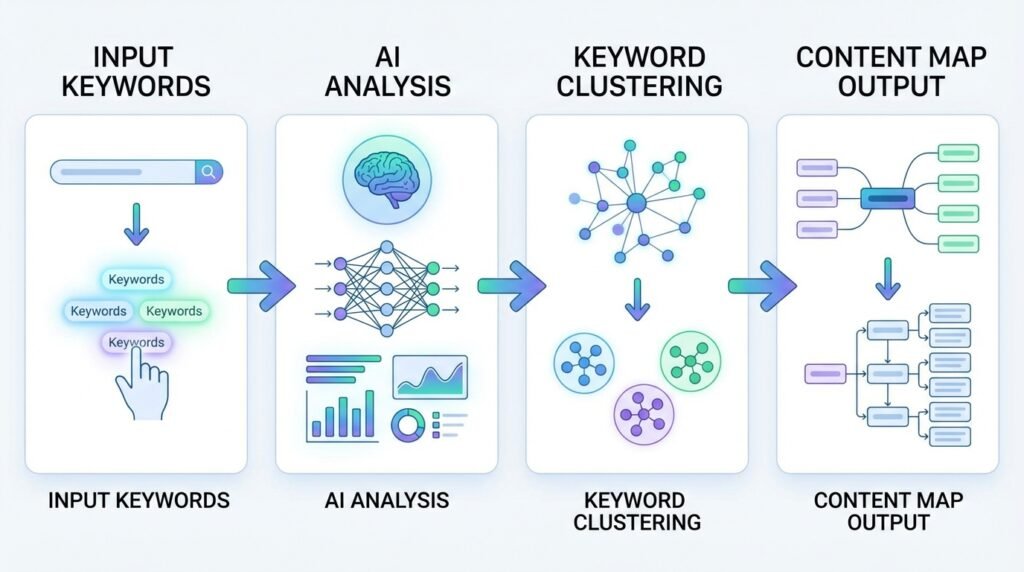
A keyword cluster tool analyzes thousands of keywords simultaneously. The software identifies patterns, search intent, and semantic connections between terms. Advanced algorithms process search volume data, keyword difficulty metrics, and SERP analysis to create meaningful clusters.
The tool examines long-tail keywords alongside primary keywords. This analysis reveals opportunities that manual research often misses. The system categorizes keywords based on user intent, topical relevance, and semantic similarity.
Machine learning algorithms power most modern clustering tools. These systems recognize subtle relationships between search terms that human analysts might overlook. The software continuously improves its clustering accuracy through pattern recognition and data analysis.
Core Features of Keyword Clustering Software
Professional keyword cluster tools offer multiple capabilities. Automated grouping represents the primary function, organizing hundreds or thousands of keywords into distinct categories. The software identifies pillar content opportunities and supporting subtopics within each cluster.
Competitive analysis features allow marketers to examine how competitors structure their content architecture. The tool reveals content gaps and opportunities for topical coverage. Users discover keywords that competitors rank for but their own sites neglect.
Search intent classification distinguishes between informational queries, transactional searches, navigational intent, and commercial investigation. This categorization helps content teams create appropriate content types for each keyword group.
SERP feature analysis shows which keywords trigger featured snippets, knowledge panels, local packs, or other rich results. This information guides content optimization strategies toward formats that search engines prefer.
Benefits of Implementing Keyword Clustering
Organizations gain significant advantages through keyword clustering methodology. Content planning becomes more efficient when teams organize keywords into thematic groups. Writers understand exactly which related terms to incorporate into each piece.
Topical authority increases when websites cover comprehensive keyword clusters rather than random individual keywords. Search engines recognize sites as authoritative sources when they thoroughly address all aspects of a topic. This recognition translates into improved rankings across entire keyword sets.
Internal linking strategies improve dramatically with keyword clusters. The tool identifies natural connections between related content pieces. Websites build stronger information architectures that guide both users and search engine crawlers through relevant content.
Content ROI improves when teams focus on high-value clusters. The tool reveals which keyword groups offer the best balance of search volume, competition level, and conversion potential. Marketing teams allocate resources toward clusters that generate measurable business results.
Strategic Implementation of Keyword Clusters
Successful deployment requires systematic planning. Teams begin by exporting their complete keyword lists into the clustering tool. The software processes these terms and generates initial cluster suggestions. Analysts review these automated groupings and refine them based on business objectives.
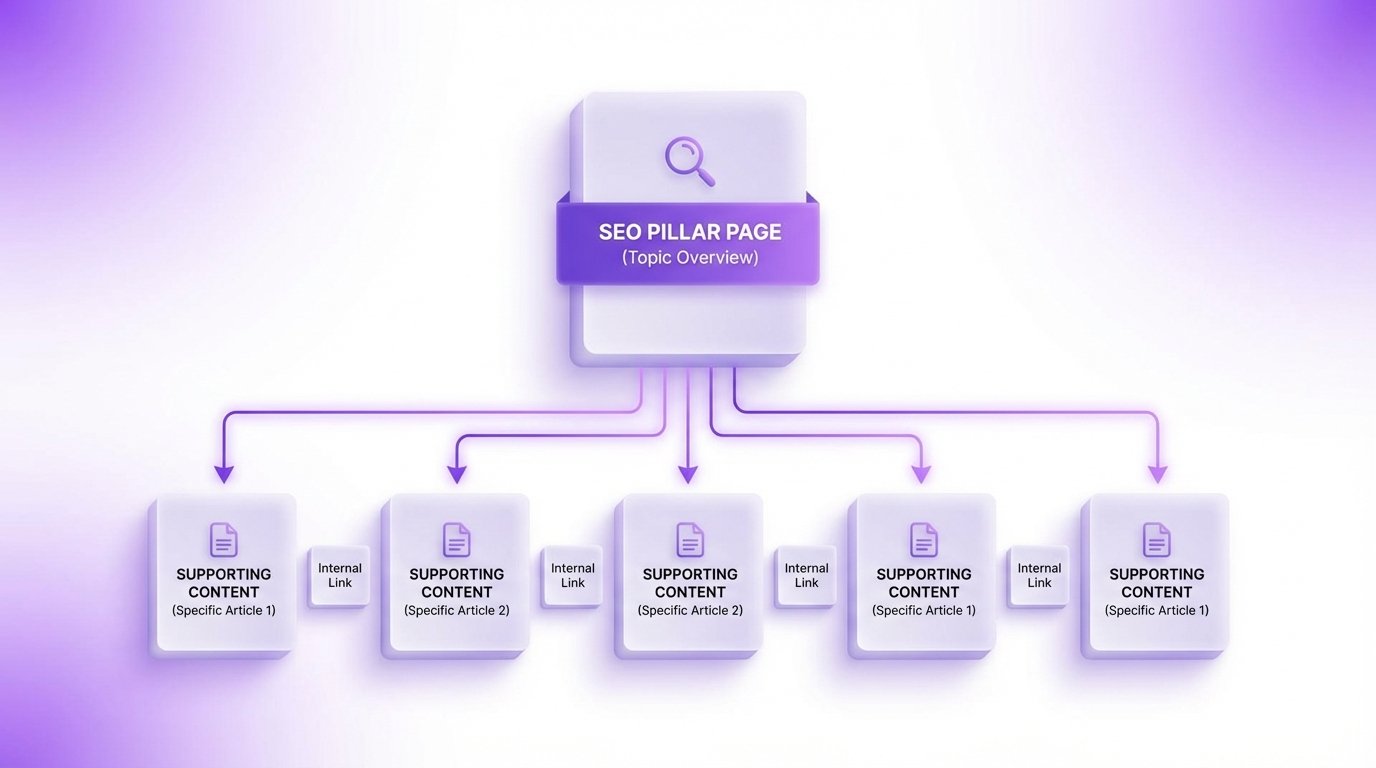
Pillar page development represents the next phase. Each major keyword cluster receives a comprehensive pillar article that addresses the topic broadly. This cornerstone content targets the primary keyword while incorporating secondary terms from the cluster.
Supporting content creation follows pillar page publication. Teams develop detailed articles targeting specific long-tail keywords within each cluster. These pieces link back to the pillar content and to each other, creating a robust content network.
Content mapping aligns keyword clusters with the buyer journey. Awareness stage clusters address broad informational queries. Consideration stage groups target comparison keywords and solution-oriented searches. Decision stage clusters focus on transactional keywords and product-specific terms.
Technical Aspects of Keyword Clustering
Keyword clustering algorithms employ various methodologies. Semantic analysis examines the meaning and context of search terms. Co-occurrence analysis identifies keywords that frequently appear together in search results. SERP similarity clustering groups keywords that generate similar search engine results pages.
Distance metrics measure how closely related different keywords are. The software calculates semantic distance based on multiple factors. Terms with minimal semantic distance belong in the same cluster, while distant terms separate into different groups.
Threshold settings determine cluster size and specificity. Lower thresholds create larger, broader clusters encompassing many related terms. Higher thresholds generate smaller, more focused groups with tightly related keywords. Marketers adjust these settings based on their content strategy and resource availability.
Measuring Keyword Cluster Performance
Organizations track multiple performance metrics for their keyword clusters. Cluster visibility measures how many keywords within a group achieve page one rankings. High cluster visibility indicates strong topical authority in that subject area.
Organic traffic attribution reveals which clusters drive the most visitors. Analytics platforms segment traffic by keyword group, showing which topics resonate with audiences. This data informs future content development priorities.
Conversion tracking by cluster identifies which topics generate business results. Some keyword clusters attract high traffic but low conversions. Others drive fewer visitors but higher-quality leads. Marketing teams optimize their focus based on these conversion patterns.
Ranking improvements across entire clusters demonstrate SEO progress. When one piece of content ranks better, related articles often see gains too. This halo effect confirms that the clustering strategy builds topical authority effectively.

Common Challenges and Solutions
Keyword overlap between clusters creates confusion. Some search terms legitimately belong in multiple categories. Teams resolve this by designating primary and secondary cluster assignments. The keyword appears primarily in one cluster but receives mentions in related groups.
Cluster maintenance requires ongoing attention. New keywords emerge constantly, requiring categorization. Competitors shift strategies, opening new opportunities. Successful organizations review their cluster architecture quarterly and adjust as needed.
Resource allocation challenges arise when organizations identify more valuable clusters than they can address immediately. Prioritization frameworks help teams sequence their efforts. High search volume, low competition, and strong business relevance typically indicate priority clusters.
Future of Keyword Clustering Technology
Artificial intelligence continues advancing keyword clustering capabilities. Natural language processing improvements enable more accurate semantic analysis. Tools increasingly understand query context, user intent nuances, and conversational search patterns.
Real-time clustering emerges as processing power increases. Marketers receive instant cluster suggestions as they discover new keywords. This immediacy accelerates content planning cycles and improves competitive responsiveness.
Integration capabilities expand as keyword cluster tools connect with content management systems, analytics platforms, and project management software. These connections streamline workflows and enable data-driven content strategies at scale.
Conclusion
A keyword cluster tool fundamentally transforms how organizations approach SEO content strategy. By organizing related keywords into logical groups, these platforms enable more efficient content creation, stronger topical authority, and improved search rankings. The technology addresses modern search engine expectations while making content planning more manageable for marketing teams. Organizations that implement keyword clustering methodology gain competitive advantages through systematic topical coverage and strategic content architecture. As search algorithms grow more sophisticated, keyword clustering becomes not just beneficial but essential for sustainable organic search success.
About the Author